Turning Everyday ADHD Struggles into Growth Opportunities
Changing the Way We See ADHD Challenges
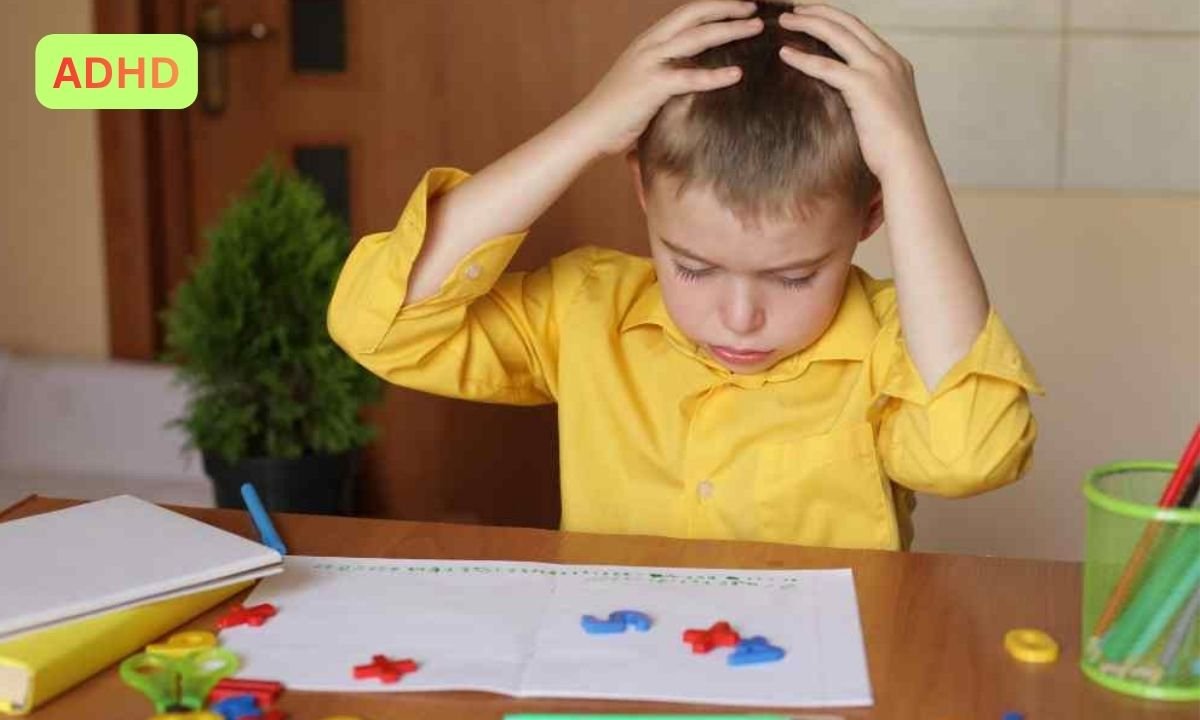
Daily struggles are a common part of life for children with ADHD. From unfinished homework to emotional outbursts, these moments can feel overwhelming. However, when viewed from a different perspective, these challenges can become powerful opportunities for growth and learning.
Instead of seeing difficulties as failures, parents can treat them as teaching moments. This shift in mindset helps children build resilience and develop important life skills that will benefit them in the long run.
Understanding Common Daily Difficulties
Children with ADHD often face challenges such as forgetfulness, lack of focus, impulsive actions, and difficulty managing time. These struggles are not intentional but are linked to how their brains process information.
Recognizing this helps parents respond with patience and understanding. When children feel supported rather than criticized, they are more likely to learn and improve.
Turning Mistakes into Learning Experiences
Mistakes provide valuable lessons when handled correctly. For example, if a child forgets their homework, parents can guide them in creating a system to remember it next time. This approach teaches responsibility without damaging the child’s confidence.
Encouraging reflection is key. Asking questions like “What can we do differently next time?” helps children think critically and develop problem-solving skills.
Building Problem-Solving Skills
Problem-solving is an essential skill that can be developed through everyday situations. Parents can involve children in finding solutions to their challenges. For instance, if a child struggles with staying organized, they can help create a system that works for them.
This involvement increases motivation and gives children a sense of control over their environment. Over time, they become more confident in handling difficulties independently.
Encouraging Positive Behavior
Positive reinforcement is one of the most effective ways to encourage growth. Recognizing and rewarding effort—even small improvements—motivates children to keep trying. This builds a positive cycle where effort leads to success, which in turn encourages more effort.
Consistency is important. Regular praise and encouragement help reinforce good habits and behaviors.
Developing Emotional Awareness
Children with ADHD often experience intense emotions. Teaching them to recognize and manage these emotions is crucial. Techniques such as deep breathing, taking short breaks, or talking about feelings can help children calm down and regain control.
Parents should model healthy emotional responses and provide a safe space for children to express themselves. Emotional awareness is a key component of personal growth.
Creating a Supportive Environment
A structured and supportive home environment makes it easier for children to learn from their experiences. Clear expectations, consistent routines, and open communication provide stability and reduce stress.
When children feel safe and understood, they are more willing to take risks and learn from their mistakes. This environment encourages growth and development.
Involving Professional Guidance
Some challenges may require additional support. Professionals can provide tailored strategies that help children overcome persistent difficulties. Experts at SeedMedicalHK offer guidance that helps families in ADHD turn everyday struggles into meaningful progress.
Conclusion
Every challenge faced by a child with ADHD has the potential to become a growth opportunity. With the right mindset, support, and strategies, parents can help their children develop resilience, confidence, and essential life skills.